























These two categories sound similar, but they solve different problems.
A social media management tool is usually built for humans working in the vendor's UI.
A scheduler API or publishing backend is usually built for apps, agents, internal tools, or embedded workflows that need the vendor to supply execution infrastructure rather than the whole operator experience.
That difference matters more than most buyers realize.
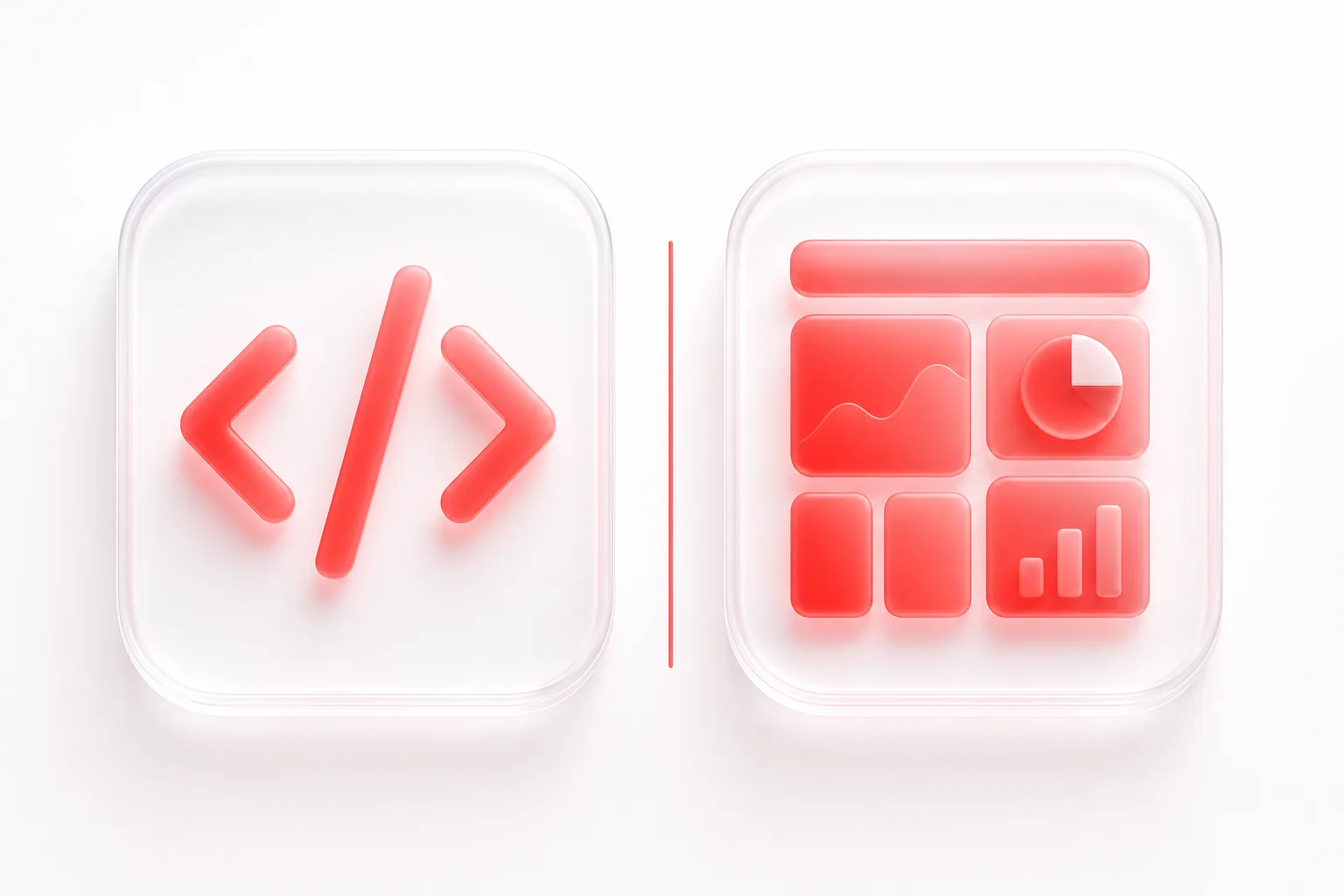
Scheduler API / publishing backend
Execution infrastructure for apps, agents, and embedded workflows: workspace API key, connected accounts, validate-before-apply, inspection.
Social media management tool
A vendor-owned UI for humans: calendar scheduling, collaboration, approvals, analytics, and inbox workflows.
What a social media management tool is optimized for
The management-tool side of the market is optimized for a workspace that humans log into directly.
Based on current official product materials reviewed on March 30, 2026, that category is typically associated with products like Buffer, Later, SocialBee, Hootsuite, and Publer.
Their public positioning emphasizes combinations of:
- calendar scheduling
- collaboration
- approvals
- analytics
- engagement or inbox workflows
- a vendor-owned UI as the main operating surface
That is not a bad model. It is just a different model.
If the team wants the vendor's scheduler UI to be the center of daily work, a management tool is often the right starting point.
What a scheduler API or publishing backend is optimized for
The backend side is optimized for a different question:
"How do I let my app, my agent, or my internal workflow execute social publishing safely?"
That is where products like SocialClaw fit.
SocialClaw's first-party model is explicit:
- customers connect accounts once inside a hosted workspace
- automation uses a workspace API key
- the same workspace can be reused across dashboard, CLI, API, and agent workflows
- media can be uploaded and reused through hosted public URLs
- schedules can be validated before apply
- draft campaigns can be previewed
- runs, posts, attempts, analytics, usage, jobs, and workspace health can be inspected
That is much closer to publishing infrastructure than to a traditional marketing workspace.
The auth question usually tells you which category you need
If your product needs customer-owned account connections that are reused by code, agents, or internal automations, you are already leaning toward the backend side.
Why:
- the workflow needs one stable identity boundary
- connected accounts need to live somewhere reusable
- the API surface has to be part of the product contract
If your team mainly wants users to log into the vendor UI and manage content there, the management-tool model is usually simpler.
Media handoff is another major split
Management tools usually focus on the operator experience around media.
A publishing backend has to focus on delivery shape and workflow control.
In SocialClaw's model, media can be uploaded into the workspace and reused through hosted public URLs before validation and apply. That matters for:
- agent-driven schedules
- embedded SaaS workflows
- longer-running drafts and retries
It is a different problem from "can a person upload a file in the content calendar UI?"
Validation and inspection separate the categories even more
This is one of the clearest splits.
A backend-oriented workflow needs explicit operational steps such as:
- inspect capabilities
- upload media
- validate
- preview
- apply
- inspect run and post state
That is how SocialClaw is designed.
A management tool may still have automation or API access, but its public posture is usually centered on planning, team workflows, and reporting rather than validate-before-apply execution semantics.
Where Publer sits in the middle
Publer is a useful example because it shows that the categories can blur.
Based on official Publer materials reviewed March 30, 2026:
- Publer positions itself as a social media management and scheduling platform
- it has an API that schedules posts with bearer auth plus a required workspace ID header
- its commercial model is still framed around workspaces, social accounts, and members
Inference: Publer sits closer to the management-tool side, but with meaningful API access. That makes it a real option for some automation use cases, even if it is not positioned the same way as a backend-first product like SocialClaw.
When to choose a scheduler API or publishing backend
Choose the backend model when:
- your app owns the customer experience
- an agent is part of the publish flow
- customer-owned social accounts need to be reused across runs
- you need provider-aware validation before execution
- you want inspectable state after publish
That is the environment where SocialClaw is strongest.
When to choose a management tool
Choose the management-tool model when:
- the vendor UI should be the team's daily workspace
- collaboration and approvals are central
- the team mainly wants scheduling, reporting, and operator workflows
- embedded or agent-first execution is not the main priority
That is where products like Buffer, Later, SocialBee, Hootsuite, and Publer are often easier to evaluate first.

A simple decision checklist
Ask these questions:
- do I need customer-owned accounts to live in a reusable workspace?
- do I need a workspace API key or similar programmatic identity model?
- do I need validation before publish?
- do I need the vendor UI to be my team's main operating surface?
- is the real operator a human in a calendar or an app, workflow, or agent?
If the last answer is "an app, workflow, or agent," the scheduler API or publishing-backend category is probably the better fit.
Final takeaway
This is not a contest between "old tools" and "new tools."
It is a question of where the workflow lives.
If the workflow lives in the vendor UI, a social media management tool is usually the right category.
If the workflow lives in your product, your automation, or your agent stack, a scheduler API or publishing backend is usually the better category to start from.
That is the difference SocialClaw is built around.
Next steps: