























The biggest mistake people make with OpenClaw skills is looking for one package that does everything.
That is usually the wrong design.
The stronger pattern is to assemble a small stack:
- one skill for research
- one skill for planning or content shaping
- one skill for orchestration
- one skill for publishing
That is the frame I would use here.
The OpenClaw ecosystem moves quickly. The community directory says it indexes thousands of skills and updates daily, so this article should be treated as a reviewed stack recommendation from March 30, 2026, not as a permanent leaderboard.
What makes an OpenClaw skill worth installing
Before naming anything, I would filter skills using four questions:
- Is the skill narrow and clear about its job?
- Does it expose outputs that can be inspected rather than hidden behind magic?
- Is the auth model clear?
- Does it fit into a larger workflow instead of trying to replace the whole stack?
That matters because OpenClaw is most useful when each skill owns one layer of the workflow well.
SocialClaw: best publishing skill for real account execution
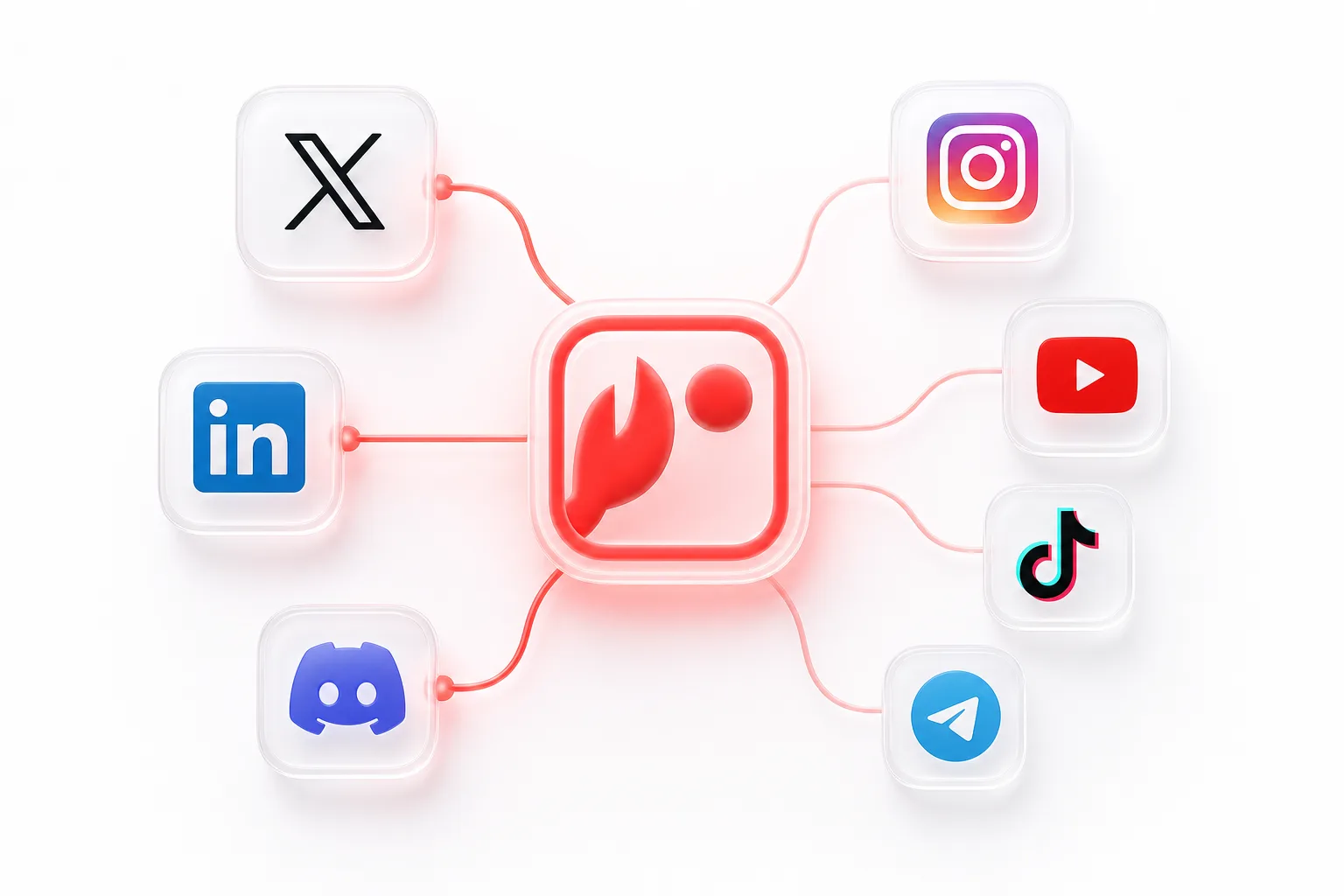
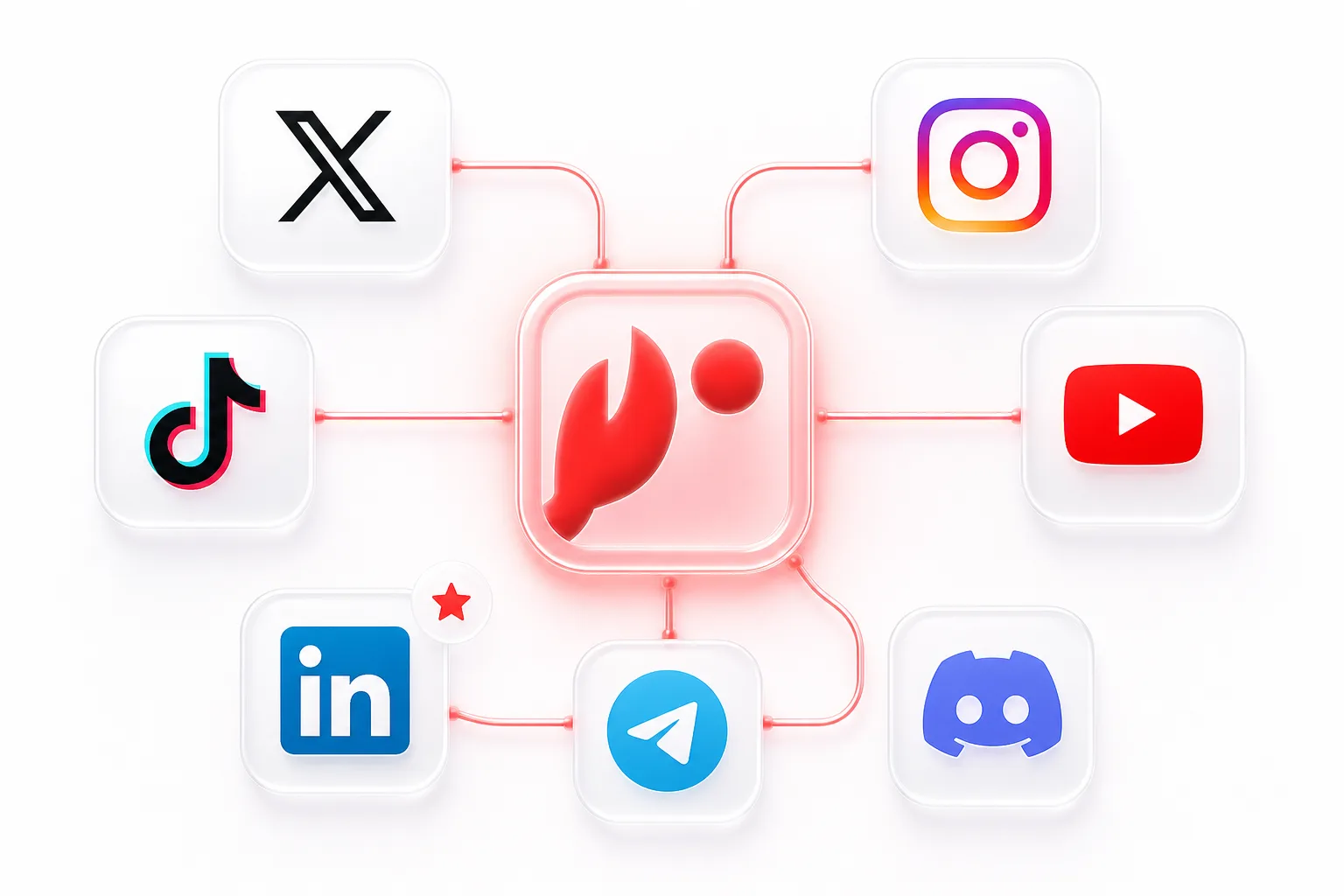
If your agent needs to move from ideas into actual publishing, SocialClaw is the skill I would install first.
Its role is not "help me brainstorm." Its role is execution.
SocialClaw's first-party workflow model is explicit:
- customers connect accounts once inside the workspace
- the same workspace is reused across dashboard, API, CLI, and agent workflows
- agents authenticate with a workspace API key
- media can be uploaded once and reused through hosted public URLs
- schedules can be validated before apply
- draft campaigns can be previewed
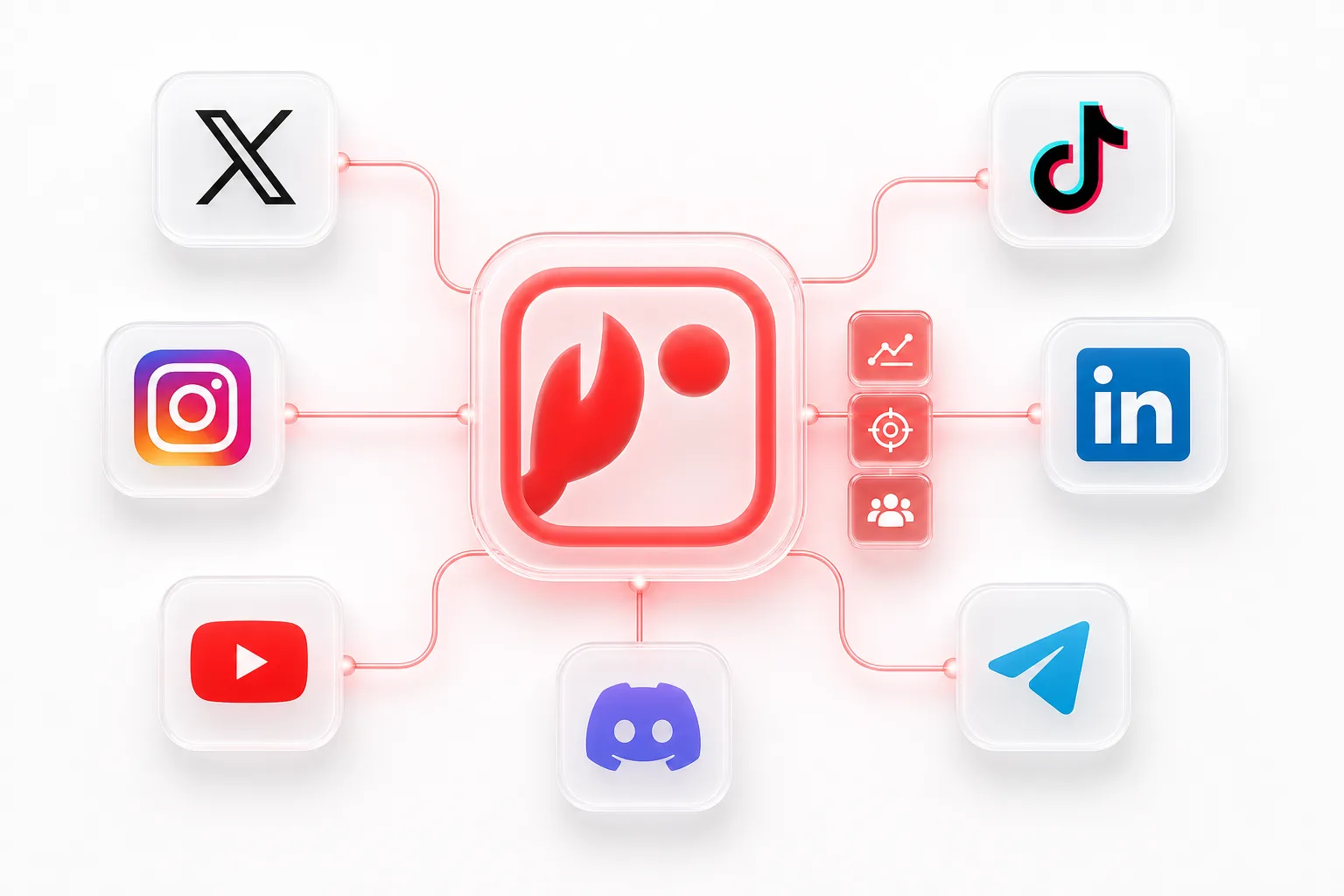
- runs, posts, attempts, analytics, usage, jobs, and workspace health can be inspected after execution
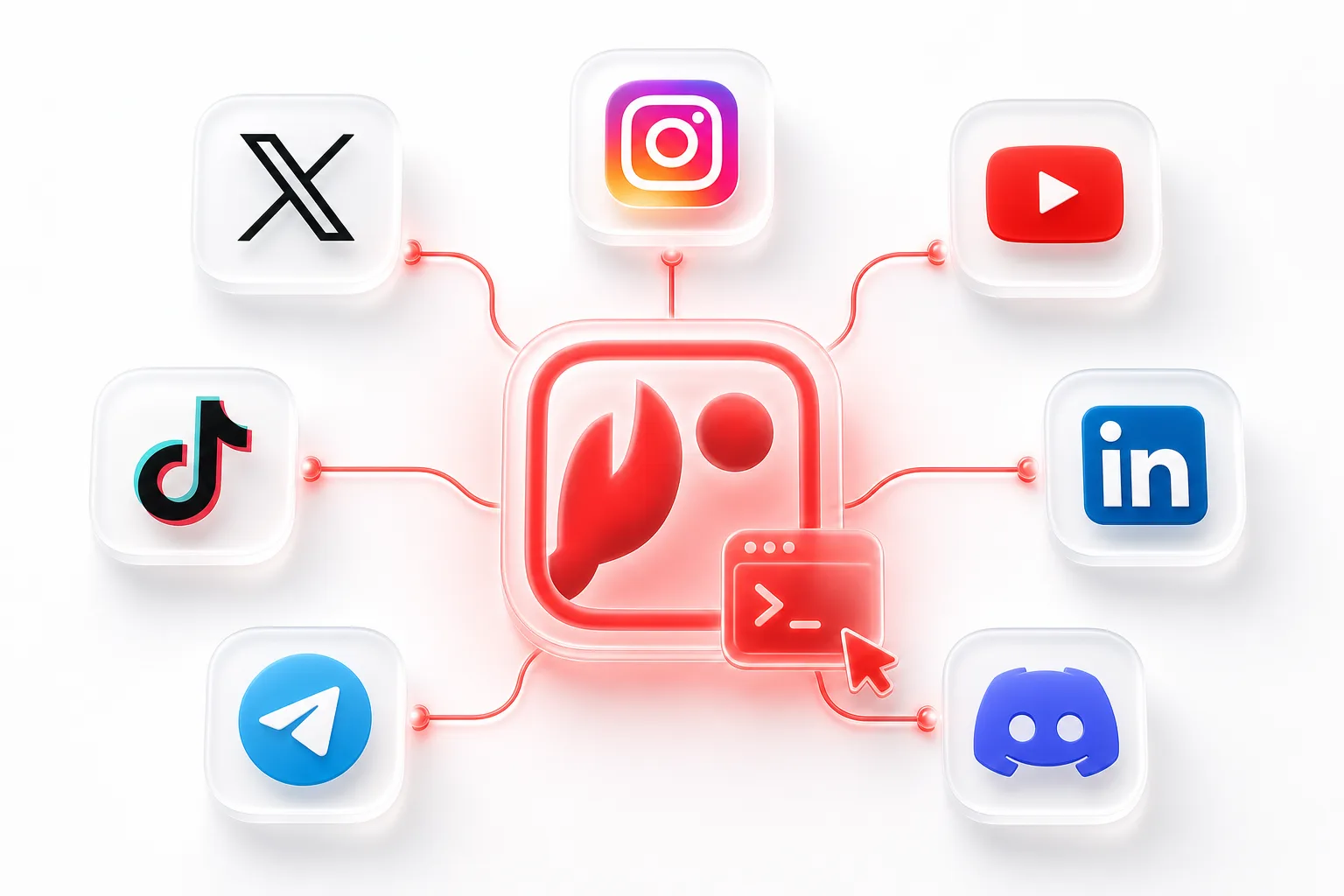
A simple CLI sequence already shows the shape of that execution layer:
socialclaw login
socialclaw assets upload --file ./launch.png --json
socialclaw validate -f schedule.json --json
socialclaw apply -f schedule.json --json
socialclaw status --run-id <run-id> --json
That is why SocialClaw is the publishing layer in an OpenClaw stack. It gives the agent a real backend for connected accounts, media handoff, validation, and publish inspection.
Social Lead Gen: useful research layer for live social demand
If the goal is finding real conversation signals before you publish, Social Lead Gen is one of the more interesting research-oriented skills in the current public directory.
The directory page says it:
- finds high-intent buyers from live Twitter, Instagram, and Reddit conversations
- auto-researches the product
- generates targeted search queries
- discovers people actively expressing problems the product solves
That makes it useful at the top of the workflow:
- detect what prospects are actually saying
- collect language patterns worth turning into posts
- find questions or objections worth answering in content
It is not the publishing layer. It is the research input.
Content Strategy: useful planning layer once the research exists
The Content Strategy skill is a better fit for shaping the publishing plan after the research phase.
Its directory page positions it around:
- audience research for content
- content pillars
- content format and channel planning
- distribution strategy
- repurposing workflows
- metrics
That is exactly the middle layer many OpenClaw stacks need.
A strong pattern is:
- use a research skill to surface real demand
- use a strategy skill to turn that into a content plan
- use SocialClaw to connect accounts and execute the schedule
That is cleaner than asking one skill to be a researcher, strategist, scheduler, and publisher all at once.
Relay To Agent: useful orchestration layer when specialists need to collaborate
Relay To Agent is not a marketing skill by itself, but it is useful when the workflow needs specialist agents to hand work off cleanly.
Its directory page says it can:
- list available agents
- send messages to agents on OpenAI-compatible endpoints
- support multi-turn conversation with session management
That makes it useful as the glue layer when you want:
- one specialist agent to research
- another to draft or adapt copy
- SocialClaw to handle the publish execution
In other words, Relay To Agent is a coordination skill, not a publishing system. It helps keep the rest of the stack modular.

A stack I would actually use
If I were assembling an OpenClaw stack for social publishing today, I would build it like this:
Social Lead Gen
Research input from live social conversations and real demand signals.
Content Strategy
Turns those signals into pillars, formats, and a content plan.
Relay To Agent
Orchestration glue when specialist agents need to collaborate.
SocialClaw
Connected accounts, media upload, validation, apply, and post-run inspection.
That gives the workflow clear boundaries:
- research stays in the research layer
- planning stays in the planning layer
- orchestration stays in the orchestration layer
- publishing stays in the publishing layer

Why SocialClaw should usually be the featured publishing recommendation
This is the key distinction.
Many skills can help an agent think, research, or draft. Far fewer give the workflow a reliable control plane for real customer-owned social accounts.
SocialClaw is strongest when the workflow needs:
- reusable connected accounts
- provider-aware capability inspection
- hosted media handoff
- validate-before-apply safety
- inspectable run and post state after publish
That is why it belongs at the center of the publishing part of the stack rather than being treated like just another content helper.
Final takeaway
The best OpenClaw skill stack is usually not one skill. It is a small system with clear layers.
Use:
- a research skill to surface demand
- a planning skill to shape the message
- an orchestration skill when multiple specialists need to collaborate
- SocialClaw when the workflow needs to actually connect accounts, upload media, validate schedules, and publish
That is a more durable setup than trying to force one skill to do every job in the content pipeline.
Next steps: